Clock-Off, Log-On: What Ward Handovers Teach Hybrid Teams About Closing the Day
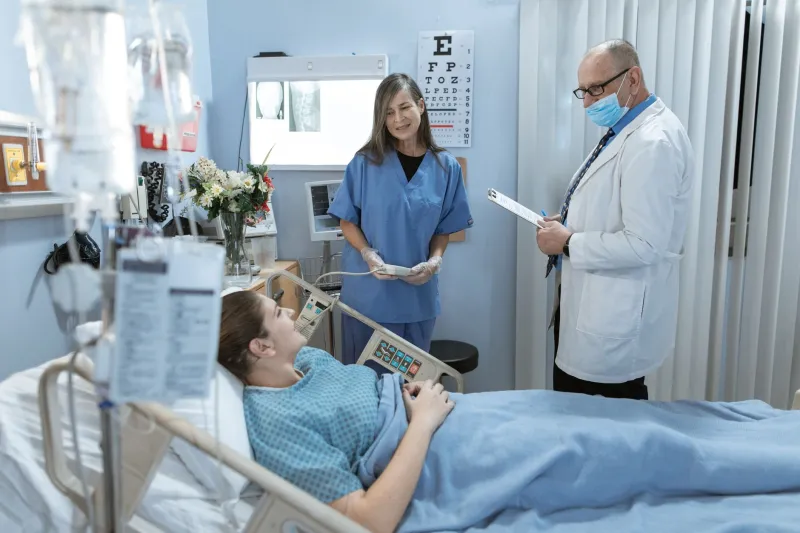
At 7:55am on an NHS ward, something quietly useful happens. The night staff do not simply clock off. They hand over. Not a rambling status update, not a tour of everything that happened, but a short, structured baton pass: who is poorly, what changed overnight, which relative needs a call back, where the risk sits. By 8:10am the day team is running.
Now compare that with the average UK hybrid team at 5:30pm. Laptops snap shut. A chat thread sits half-finished. Someone in the office knows something useful, someone at home is missing it, and tomorrow morning begins with archaeological scrolling. We have borrowed the flexibility of shift work without borrowing its most useful habit: the handover.
Handover is about exceptions, not everything
Shift teams are ruthless about relevance. A hotel front desk handover flags the VIP arriving early, the room with a broken thermostat, the guest who asked for a quiet floor. It does not recap every check-in. A logistics crew flags the delayed pallet, the damaged stock, the route change. It does not read out the entire manifest.
The lesson for knowledge teams is simple: a handover is not a meeting and it is not a status report. It is a boundary object. It exists to move context from one person to the next with the least possible friction. Most daily stand-ups fail at this because they become a tour of the ticket board. Everyone speaks, nobody hands over.
Why hybrid teams lose the thread
Hybrid work creates two kinds of blindness. The office person sees the whiteboard, overhears the decision, catches the aside after the meeting. The home person gets the meeting notes and none of the atmosphere. Then the day ends and nobody closes the loop. Tomorrow starts with a polite version of 'did anything happen?'
In UK teams, that politeness can hide a lot. Nobody wants to ask the same question twice. Nobody wants to seem like they were not listening. So people guess, duplicate work, or wait. The cost is not dramatic. It is just a quiet tax on every morning.
A handover window, not another meeting
Borrow the shift-work format but keep it async by default. Set a ten-minute window at the end of the day. Ask three questions:
- What changed today that the next person needs to know?
- What is at risk, waiting, or blocked?
- Where should someone look first tomorrow?
That is it. If there is nothing to say, say 'no handover'. A short written note or a 45-second voice note is usually enough. The point is not to produce a beautiful document. The point is to stop tomorrow from starting cold.
An async handover template that takes three minutes
Use one place, not three. A Kula page, a pinned thread, or a simple form works. Keep the fields small:
- Changed: Pricing page copy signed off. Legal still reviewing the footer.
- At risk: Client deck needs final numbers from finance by 11am.
- First look: #client-acme thread, especially Priya's comment on slide four.
- Voice note: 45 seconds explaining why the footer changed, because text made it sound more dramatic than it was.
Voice notes are underrated here. UK teams are good at reading tone into terse text, and not always correctly. A quick spoken note can carry the nuance that a bullet point loses. It also takes less time than typing a careful paragraph.
An end-of-day checklist that actually closes the loop
Five items. Pick three if five feels like admin.
- Park the work. Move anything unfinished into tomorrow's task list or into the handover.
- Flag the risk. One line in the handover channel. Not a essay.
- Record the decision. If something was agreed today, put it where the team will look tomorrow.
- Set the first look. Tag the next owner or name the thread they should open first.
- Close notifications. No late-night pings unless there is a genuine emergency. A handover is not a reason to keep everyone on call.
Build it in Kula this week
Create a 'Handover' page in Kula and save the template above as a starting point. Pin the end-of-day checklist at the top. Add a daily thread for quick notes and voice messages. If your team lives in channels, give handover its own channel and keep it free of general chatter. If you use tasks, add a 'handover note' field to the ones that carry risk.
Keep it open to everyone. A handover is not a manager's report. It is a team habit. Rotate who writes the summary if that helps, but do not turn it into a rota of mini-presentations. The moment it becomes a meeting, people will find reasons to miss it.
After two weeks, review it. Is anyone reading it? Is it too long? Are people writing novels about routine work? Cut it back. A good handover is slightly boring and extremely useful.
The cultural bit: permission to stop
Shift workers hand over because the next shift depends on them. Hybrid teams need the same explicit permission. Managers should model it: 'I'm logging off, handover is in the thread.' Do not reward the 9pm message. Do not praise the person who is always online. Praise the person who leaves a clean baton pass and then actually stops.
A handover window is a small contract. I will tell you what you need to know. You will not have to guess. That is not extra admin. It is team culture with a clock.