Put the Kettle On: Why Every Team Needs a Slow Channel That Isn't Another Inbox
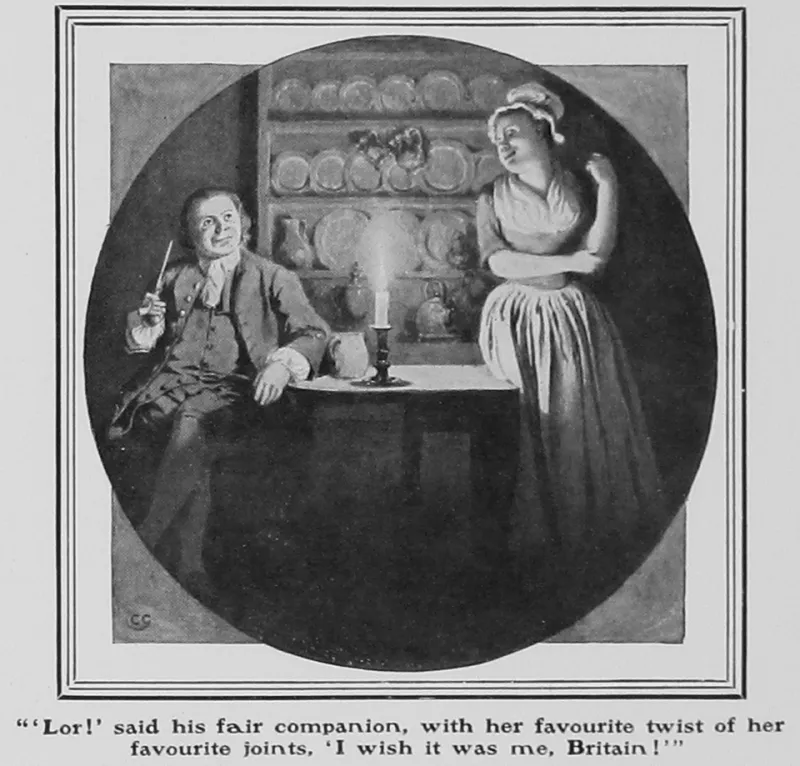
Photo: Charles Green, Public domain, via Wikimedia Commons
Every team has channels for work. A channel for the client project. A channel for the launch. A channel for the thing that broke on Tuesday. What many teams do not have is a room with no agenda — a place for the stuff that makes working together feel human.
That is the case for a kitchen-table channel: one slow, low-stakes space that is not a project thread, not a meeting, and not another inbox. A place for links, daft questions, holiday photos and half-formed ideas. The digital equivalent of leaning against the office kitchen counter while the kettle boils.
The problem with every channel being a project channel
When every channel has a purpose, every message feels like a task. You scan for the ones that need a reply. You mute the noisy ones. You treat the whole workspace like a queue to be cleared.
That is fine for project work. It is less fine for the parts of teamwork that build trust: the recommendation for a decent sandwich place, the photo of someone's dog, the question that sounds silly but turns out to be useful. Those moments do not fit neatly into a project channel. So they either disappear or they clutter up the channels that are supposed to be focused.
A kitchen-table channel gives them somewhere to go. It takes pressure off the project channels and gives the team a place to be people rather than avatars with deadlines.
British tea-break culture already knows this
The tea break is one of the great British institutions. It is not really about tea. It is a socially sanctioned pause — a small, regular reminder that work is something people do together, not just something they complete.
The kitchen-table channel is the digital version of that pause. It should feel slow. It should feel optional. It should feel like a place you drop into when you have a minute, not a feed you are expected to keep up with.
That means no urgency. If something needs a reply in five minutes, it does not belong at the table. It belongs in the project channel, or a direct message, or a call. The kitchen table is for the things that can wait until someone next puts the kettle on.
What belongs at the table
A good kitchen-table channel has a broad but clear brief:
- Links that made you laugh or think.
- Daft questions with no wrong answer.
- Holiday photos and weekend plans.
- Recommendations: books, podcasts, walks, places to eat.
- Half-formed ideas that are not ready for a project doc.
- Small wins and small frustrations that do not need a post-mortem.
What does not belong: project updates, client issues, urgent requests, performance feedback, anything that needs a decision by Friday. The moment someone asks for a status update, move it somewhere else. The table is not a back door into the work queue.
Boundaries keep it human
A slow channel only works if it is protected from the habits of every other channel. Write a short charter and pin it at the top. Keep it to a few lines.
- No @here or @channel unless the building is on fire.
- Notifications are off by default. Check in when you want to.
- No work requests. That is what project channels are for.
- No expectation of a reply. A reaction is plenty.
- One optional prompt a week, maximum. Not a content calendar.
The goal is not to ban fun or police the chat. It is to stop the channel becoming a second notification feed. A kitchen table works because nobody expects you to answer a question the moment it is asked. You wander in, you chat, you wander out.
Rituals, not routines
There is a difference between a ritual and a routine. A ritual has a bit of warmth and a lot of flexibility. A routine is a recurring meeting with better branding.
So do not schedule mandatory fun. Do not turn the kitchen-table channel into a daily engagement target. If you want a light ritual, make it genuinely optional: a Friday link share, a Monday photo of something you did at the weekend, a seasonal prompt in December. If it stops being fun, stop doing it.
A channel that demands engagement is just another meeting with a nicer font.
Avoid the second inbox
The biggest risk is drift. Someone posts a quick question. Someone else answers. Soon the channel is full of work chatter and the whole point is lost. The antidote is simple: when a conversation turns into work, move it. Say, cheerfully, that this one belongs in the project channel. Then carry on.
You can also keep the table small at first. A team-wide kitchen table can work, but a team of eighty may need a few smaller tables. Start with the group that already chats by the kettle. Let it grow if it wants to.
A Kula kind of channel
Kula is built around the idea that collaboration works best when it feels a bit more human. That does not mean every tool needs a social feed. It means giving teams spaces with different temperatures: focused project channels, quiet deep-work spaces, and one table where the pressure is off.
You do not need special software to make this work. You need a channel, a pinned charter and a bit of restraint. But if your collaboration stack already has flexible spaces and sensible notification defaults — as Kula does — you have a head start.
Start with one table
Create the channel. Write the charter. Invite people. Then leave it alone. Do not measure it by messages per day. Measure it by whether people use it when they do not need something. That is the test of a kitchen table: it is there when you want it, not when someone else needs you to be.
Put the kettle on.