The Chore Chart Nobody Wrote: Who Actually Maintains Your Team's Tools?

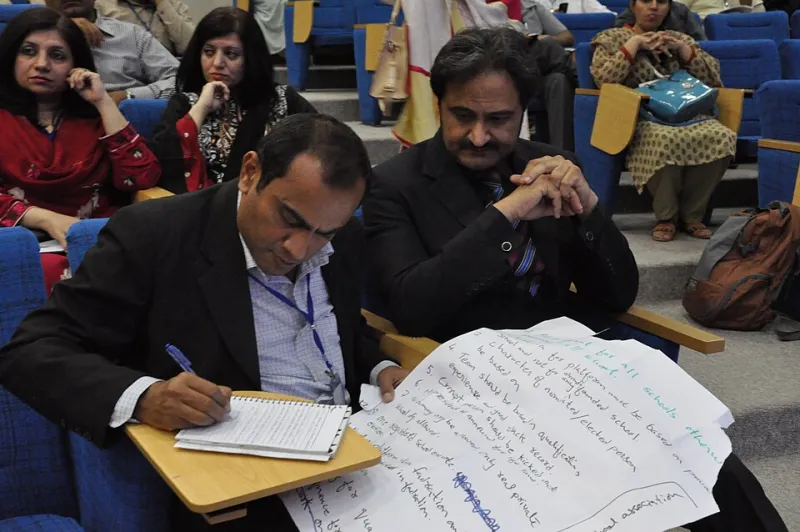
Photo: Office of U.S. House Speaker, Public domain, via Wikimedia Commons
Think about the office kitchen. The mugs get used, the dishwasher gets loaded, the milk gets replaced. None of it is glamorous, and most of it is invisible until it stops happening. Your collaboration stack works the same way. The wiki, the board, the shared drive, the channel that started as a project space and is now a digital junk drawer — they all need maintenance. And in most teams, that maintenance quietly lands on the same two or three people.
The word kula comes from the idea of a household, and that's a useful way to look at your tools. A house isn't kept liveable by everyone having good intentions. It's kept liveable by people doing the boring bits, ideally without one person turning into the unpaid caretaker. Your stack is shared property. So who's doing the digital washing-up?
The chores hiding in plain sight
Digital upkeep rarely announces itself. It looks like a hundred tiny acts of tidying: renaming a channel so it makes sense, archiving a board that finished six months ago, fixing a link on the team homepage, chasing down the owner of a document called Final_Final_v7, removing access for someone who left, or answering the same "where does this go?" question for the fourth time.
None of those tasks appear in a job description. Most of them don't appear in a sprint either. But they're real work, and they accumulate. You can usually spot an uneven split by looking for a few familiar signs:
- One person always seems to know where the current version of a file lives.
- The same name appears against most wiki edits, board clean-ups or channel descriptions.
- New starters are told to "ask Priya" rather than pointed to a clear owner.
- There are integration notifications nobody reads because muting them is easier than fixing them.
- The team has a shared drive with three folders called
Archive,Archive OldandArchive Old Old.
Individually, these are small. Together, they're the office equivalent of a sink full of plates. And if one person is always the one who notices, they become the one who always does it.
Why it lands on the same two people
Maintenance work is easy to miss because it doesn't produce a deliverable. A polished presentation gets noticed. A wiki with working links and no duplicate pages gets… nothing. Maybe a vague sense that things are fine. That's the problem. Teams reward visible output, so invisible upkeep slides towards whoever is most conscientious, most junior, most organised, or most likely to feel responsible when something looks messy.
There's also a British politeness problem. Nobody wants to be the person who says, "Actually, could you clear up your own channel?" So the tidy-minded person does it themselves, usually while muttering, and the imbalance hardens into a norm. The result isn't just resentment. It's a bus factor of one. If the unofficial wiki gardener goes on holiday, the garden turns into a hedge maze.
Naming this isn't about blaming anyone. Most people aren't deliberately leaving their digital mugs on the side. They simply don't see the chore because someone else is already doing it.
Audit the hidden labour without turning it into a project
You don't need a consultant or a six-week review. Start with a one-week chore diary. Ask everyone to note any tool-maintenance task they do that isn't part of their main project work: what they did, roughly how long it took, and which tool it involved. Keep it in a shared note, not a new tracking system.
At the end of the week, spend ten minutes in an existing stand-up or retro grouping the entries. You'll usually find four kinds of work:
- Hygiene: renaming, archiving, deleting duplicates, fixing links.
- Ownership: confirming who owns a document, board or channel.
- Access: onboarding and offboarding, guest links, permissions.
- Structure: adjusting board columns, channel rules or templates so the tool matches how the team actually works.
Look for the recurring items. Those are your chores. Then ask the uncomfortable but useful question: who did them last week? If the answer is always the same person, you've found the washing-up pile.
Put it in your norms, not in someone's goodwill
A chore rota only works if tool upkeep is treated as legitimate work. Add a line to your team's ways of working: maintaining shared tools is part of the job, not a side quest. Be specific about what "done" means for everyday tasks — a document isn't finished until it has an owner and lives in the right place; a board isn't closed until the cards are archived; a channel isn't created without a purpose and a review date.
Keep the standard realistic. The aim is a liveable stack, not a museum. A wiki with a couple of rough edges is fine. A wiki where nobody can find the current policy is not. Name the roles in plain language too. "Wiki gardener" sounds friendlier than "custodian of the knowledge base", and "channel tidy-up" is clearer than "information architecture review".
Build a chore rota that fits real work
Don't create a new meeting for this. Attach the rota to something that already exists — a Friday stand-up, a fortnightly retro, or the last fifteen minutes of a sprint review. Keep the list short: three to five rotating chores, each timeboxed. For example:
- Check the team homepage and top wiki links for anything broken or outdated.
- Archive completed cards and close stale boards.
- Sweep two or three channels for decisions that should live in the wiki.
- Review documents with no named owner.
- Clear or reassign integration alerts that nobody is actioning.
Rotate the owner every week or fortnight, and pair specialist chores — permissions, integrations, anything technical — with a backup so knowledge doesn't sit with one person. Put the rota somewhere visible, like a simple shared calendar or a pinned post. When someone does their turn, say so. Recognition matters more than a gold star.
Make it visible, then let it be boring
The final step is to stop treating maintenance as a personality trait. Track a few simple signals: broken links found, orphaned documents claimed, stale boards archived, access requests cleared. Review them in your existing retro. Don't gamify it into a competition, and don't aim for zero mess. Aim for a stack where the chores are shared, the owner is obvious, and nobody has to quietly resent the person who left their digital mug in the sink.
A household runs because people do the boring bits together. Your collaboration stack can run the same way — not through one hero, but through a small, fair, slightly unglamorous routine that everyone understands. The washing-up is never exciting. But it's a lot lighter when it isn't always your turn.